MITA 30 in 30 -- Deer Isle
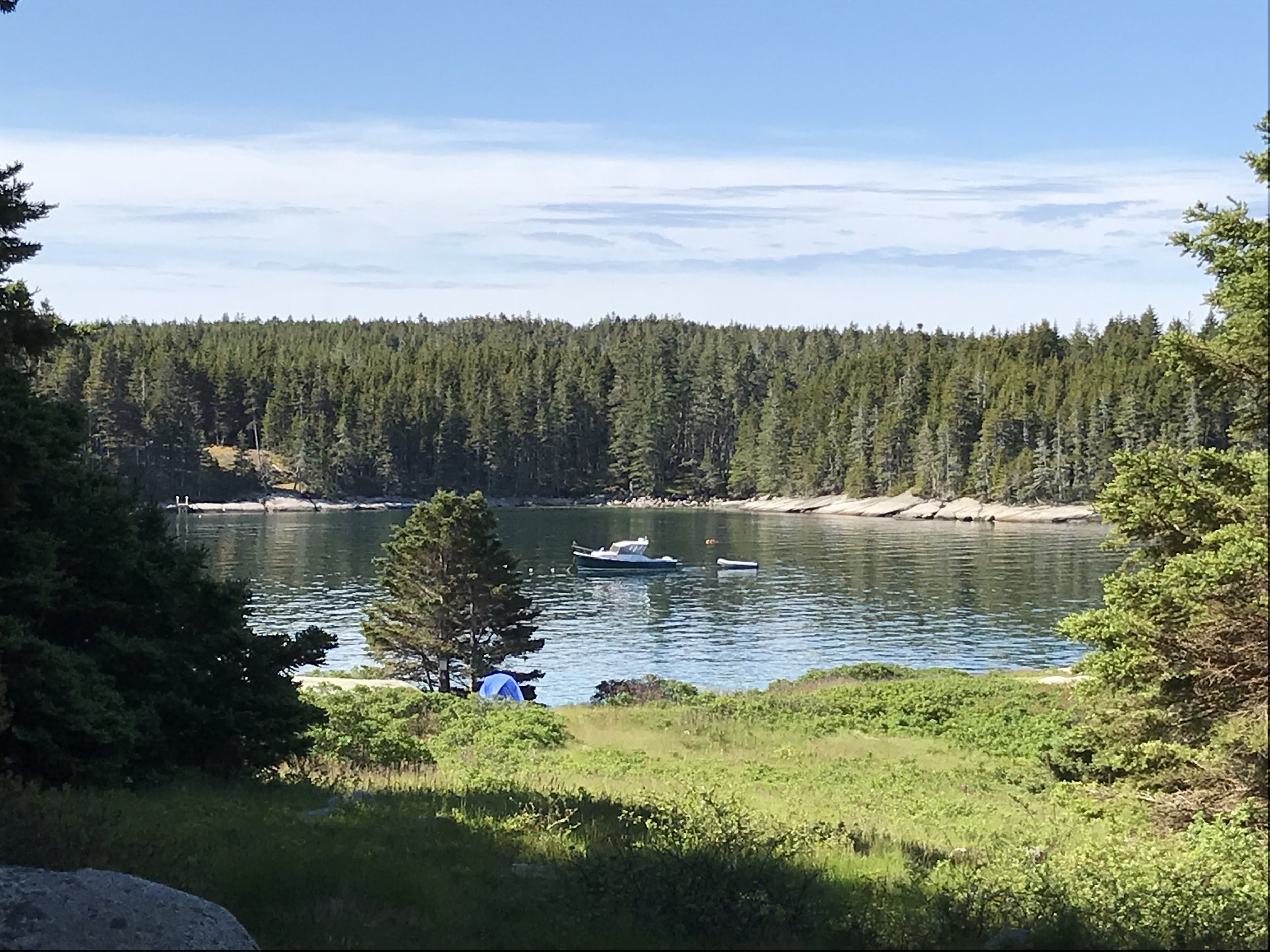
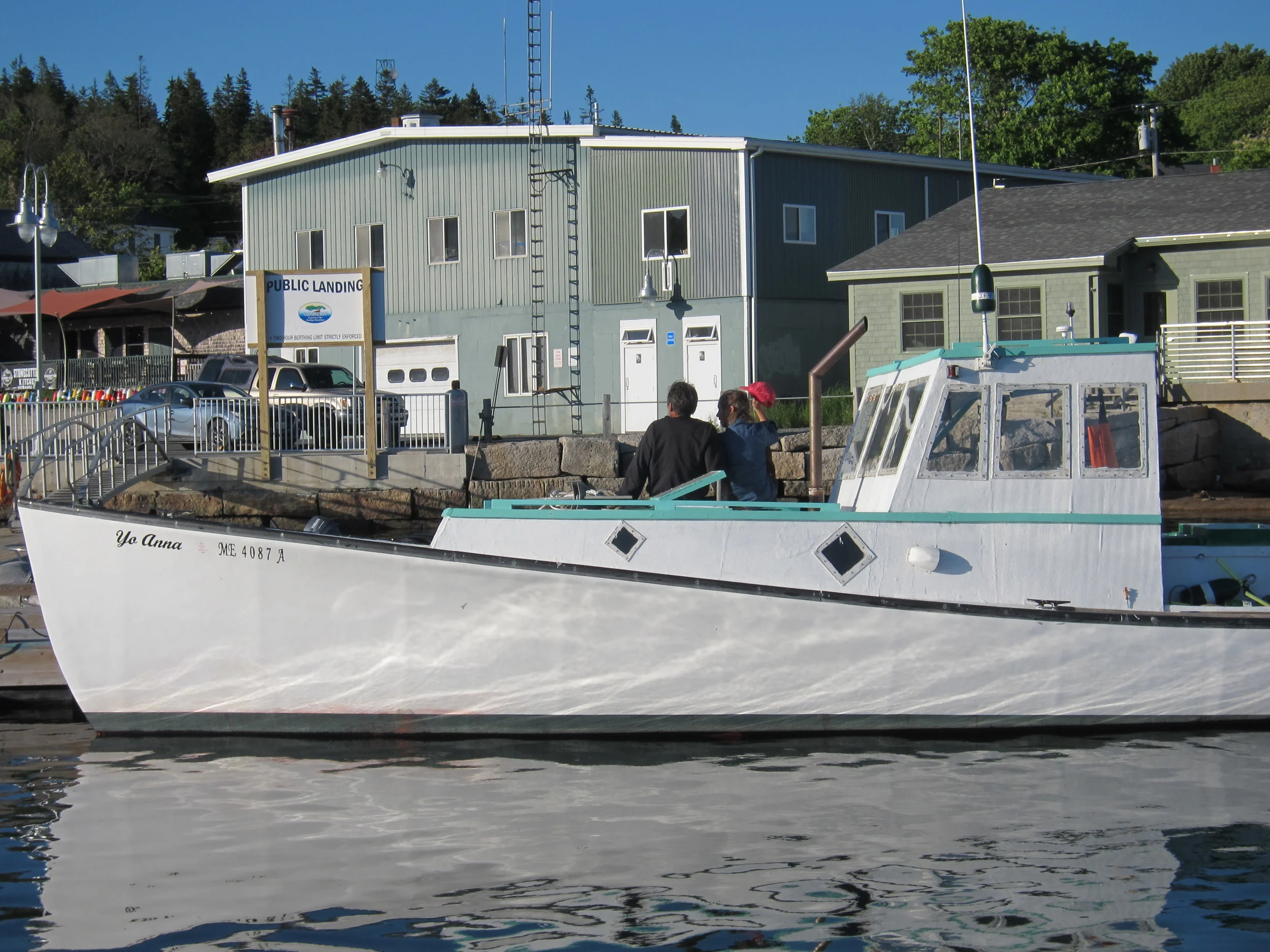
Left from Stonington and started the MITA 30 in 30 challenge by visiting several MITA islands. Motored out of Stonington Harbor and passed Rock Island to starboard. It looked like a nice island, and apparently it gets a lot of local use, but there wasn’t a great place to anchor, and I was trying to get down to the groups of islands in Merchant’s Row where I could anchor and take the dinghy to multiple destinations to find the best place to camp. I started at McGlathery and Round Island, both of which are only MITA day sites with no camping allowed. Both are amazing islands, but the best part is the anchorage between the two on the west side of McGlathery and the East side of Round. A great place to spend a night or two when cruising with a kayak or dinghy to take you ashore during the day. I actually had my new kayak, and dropped it in the water for its’ maiden voyage. I’m not much of a kayaker. I’ve done it a few times in Horshoe Cove, but will admit I watched a YouTube video on basic kayak strokes, and it included some basic instruction on how to get in and out, for which I was grateful.
There’s not much by way of paths of use of the interiors of these islands, but both have spectacular beaches, and enough to occupy a few hours on their shores. I thoroughly enjoyed the kayak experience, and am not sure why I haven’t done more of it.
I left the boat anchored off McGlathery, and took the Gary, tender to Emilie, over to George’s Head, which is also a MITA site, but one the allows camping. What a cool island! There is a long sandbar, one of the longest I’ve seen, that extends off the northeast corner of the island, and another that connects it to Little George’s Head to the East. The primary campsite is right between those two bars, and includes a grassy knoll with tentsites that extend into the trees. There is a well-defined path that leads to another campsite on the SE side of the island. I would’ve stayed for the night, but my boat was ancored pretty far away, and there was already a local family enjoying a picnic. I didn’t want to disturb them. More importantly, I had other islands to check off the 30 in 30 challenge list. I was set on returning to the campsite on Harbor Island where I’d spent several days last fall for my first-ever MITA campsite experience.
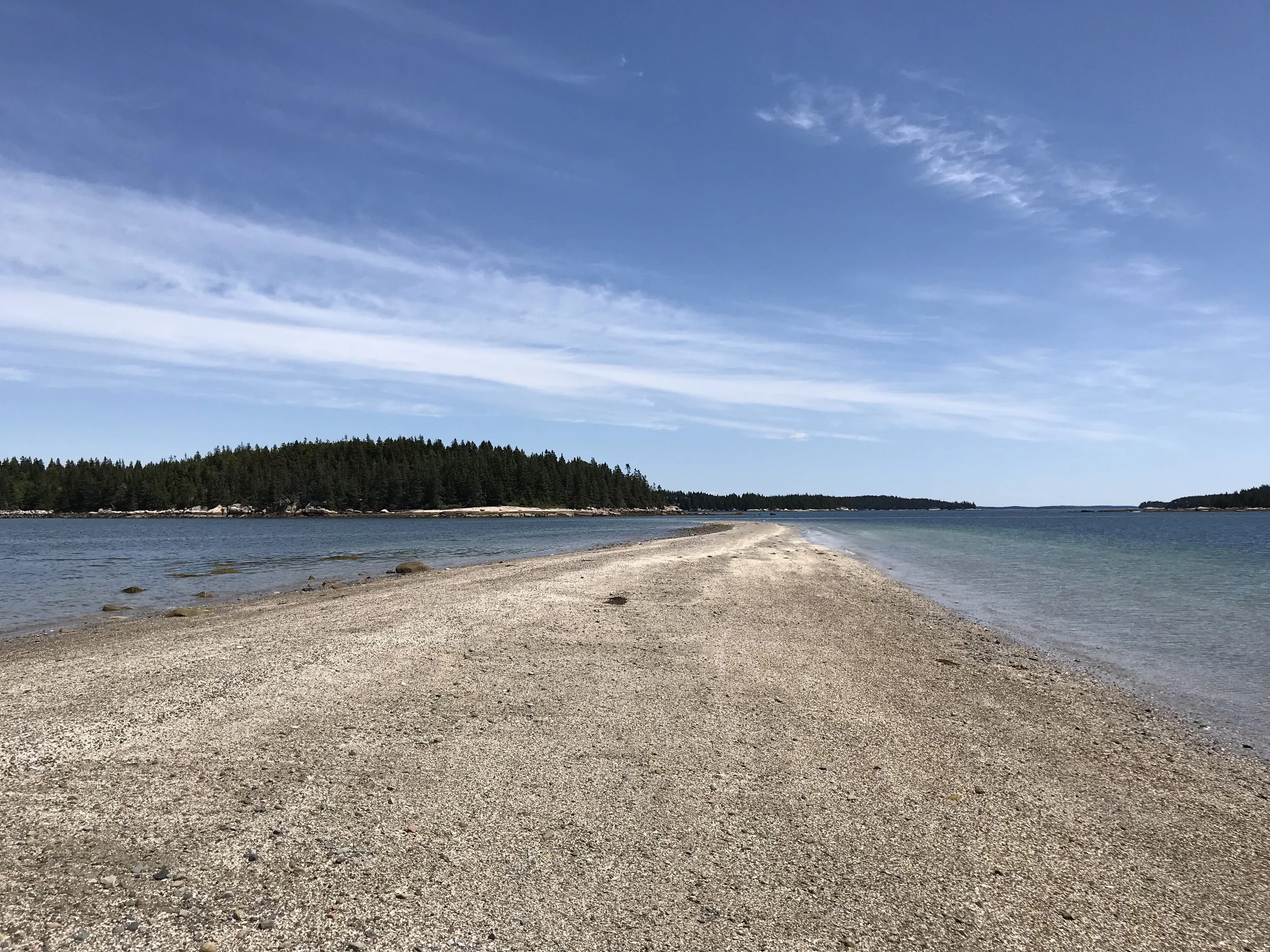
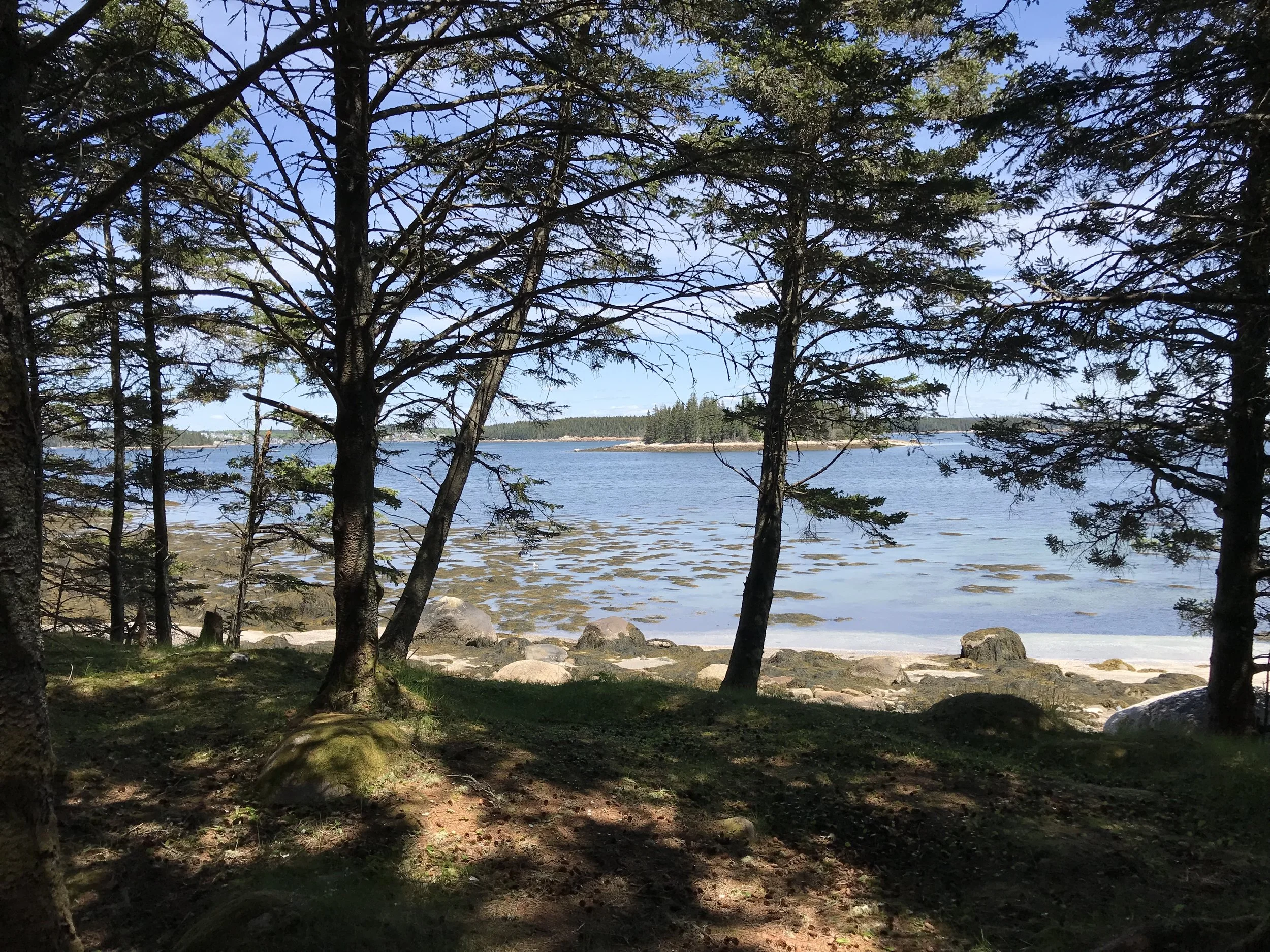
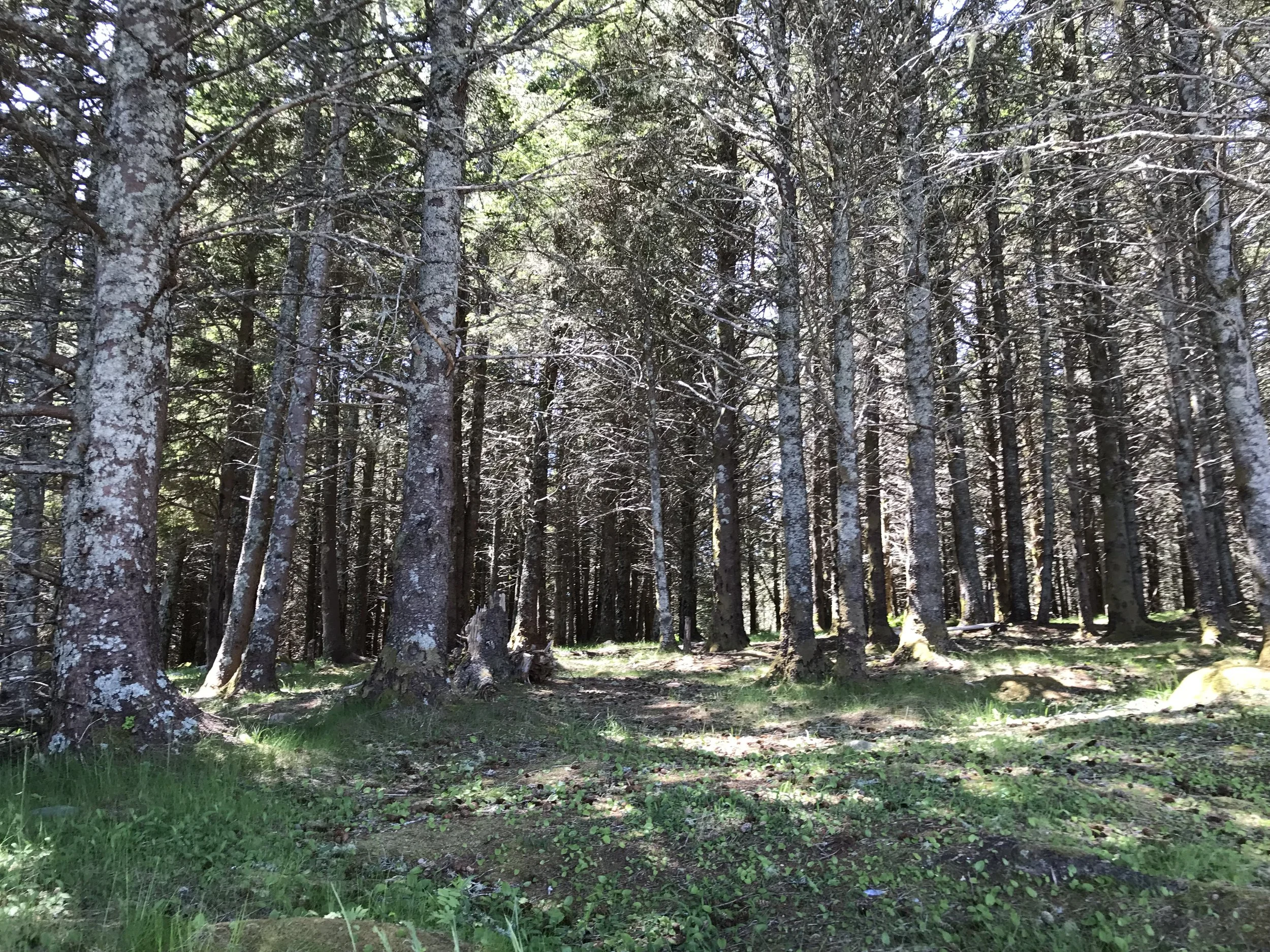
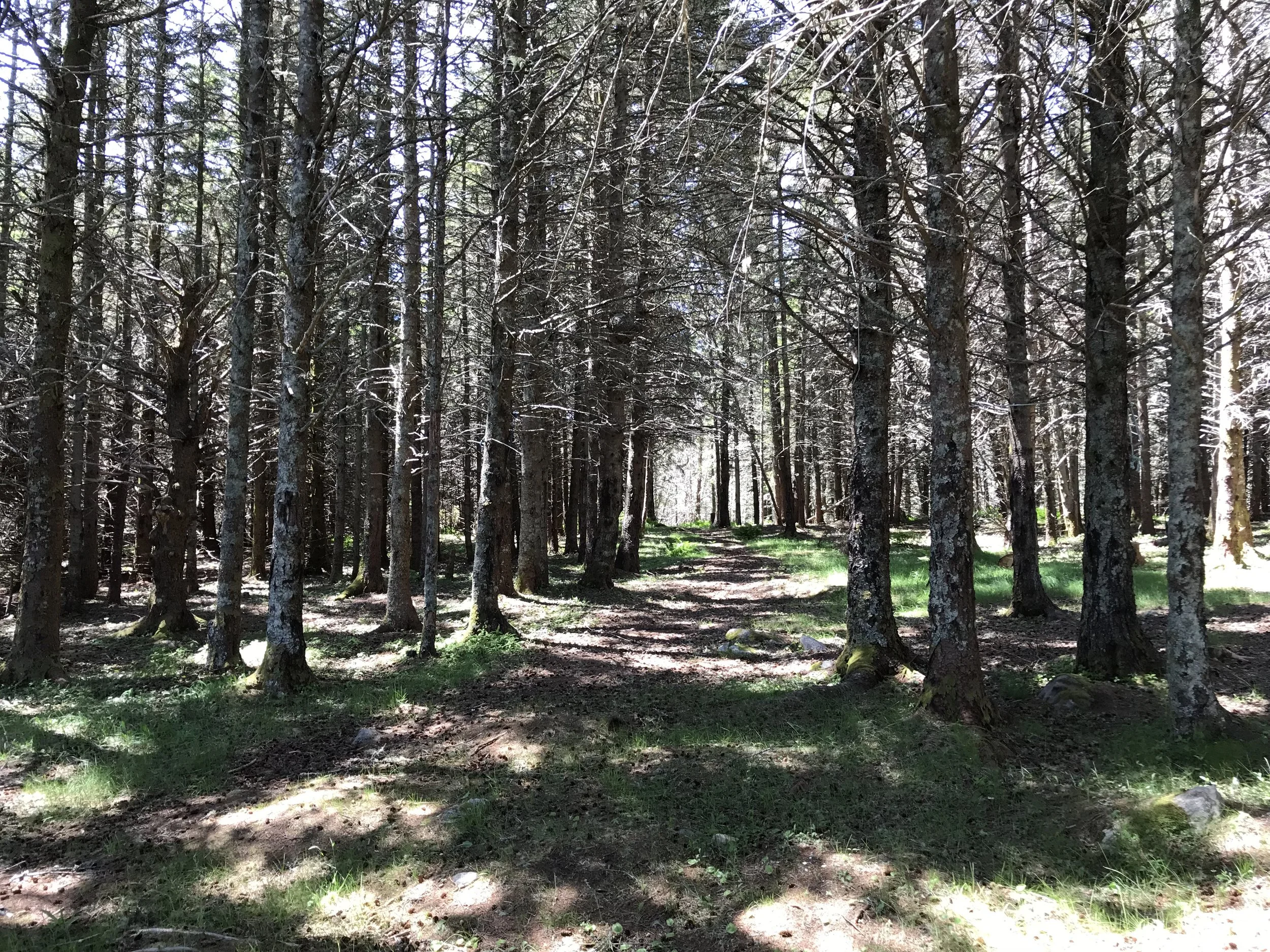
I got in Gary and headed over the shoals between the sandbars to land on Little Georges Head. I’d read the best approach is the bar connecting to its larger counterpart, and the landing was fine, but it is not as accessible as the larger island; the beach is not as sandy, and there are more barnacles and larger rocks. That is a theme for the island, honestly. I walked around the shore, and it is beautiful, but the interior is less accessible, and the meadow where there is a campsite is overgrown and hard to access. I didn’t look too hard, and may have missed the access point to the campsite, but I found the larger Georges Head island to be more camping friendly. Honestly, I think there will be a time after I’ve visited all these islands that I will appreciate a spot that does not feel like a heavily used site, but I am still intrigued by the care and thought that has gone into sites and how people use and protect them.
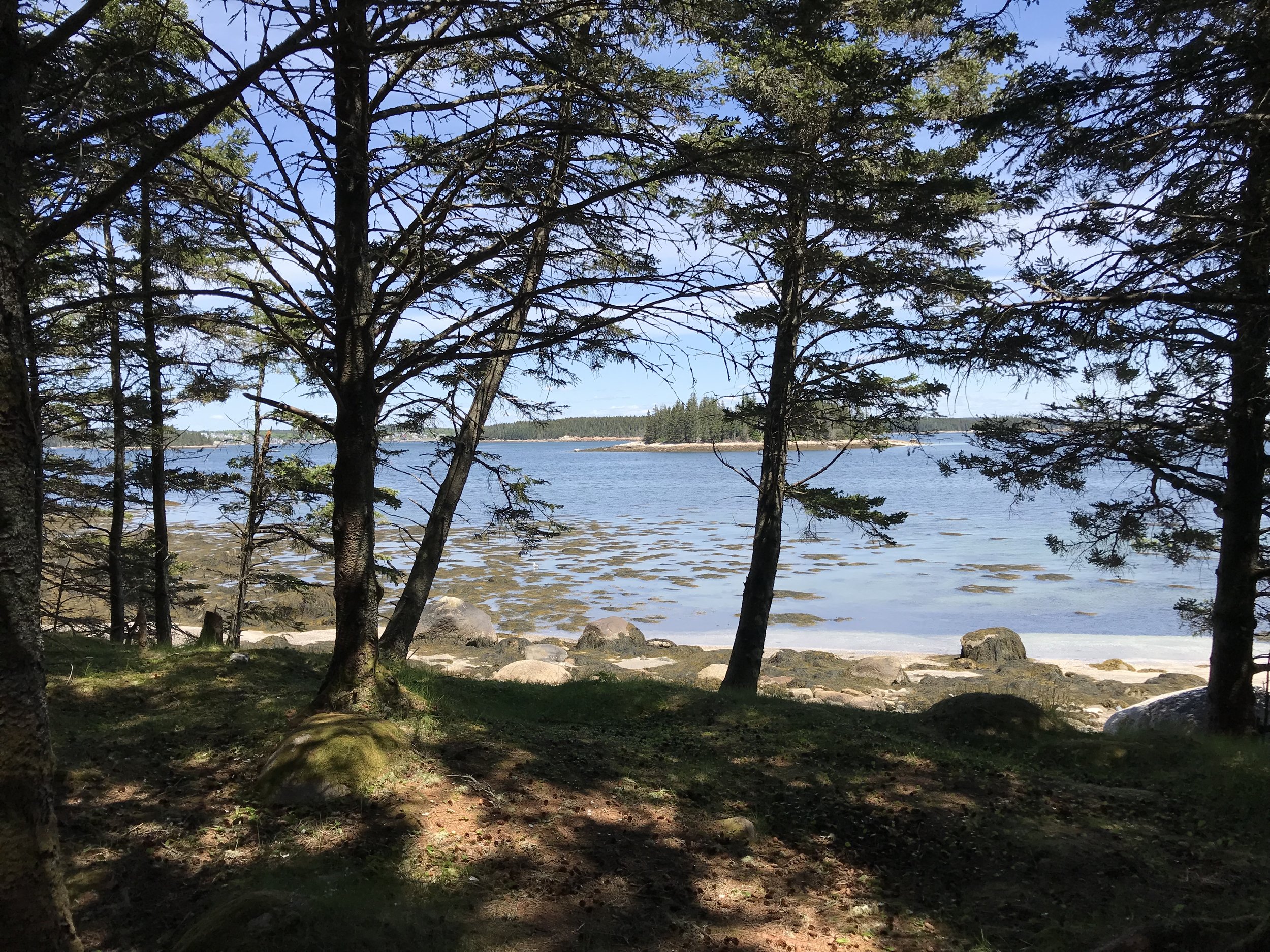
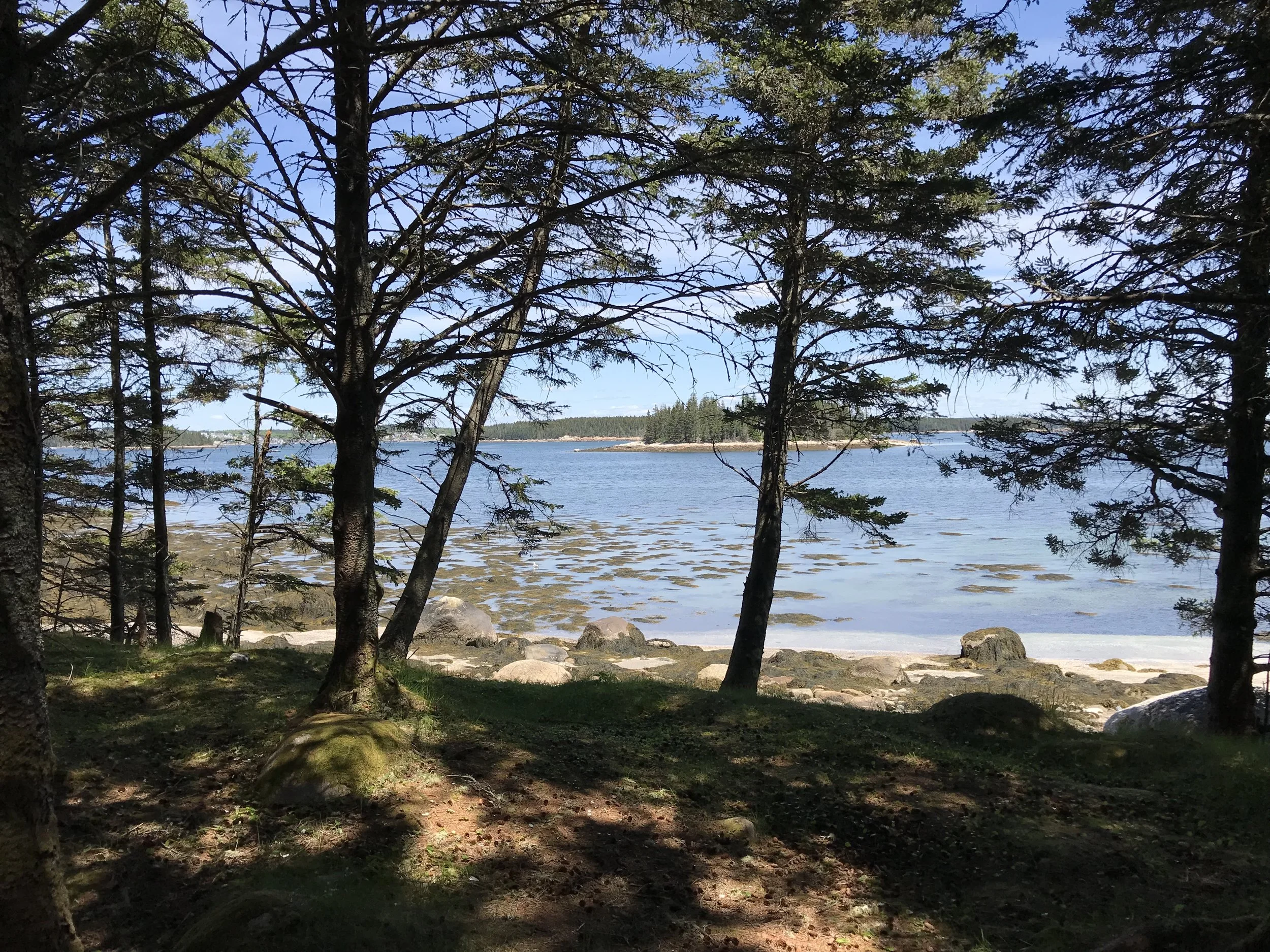
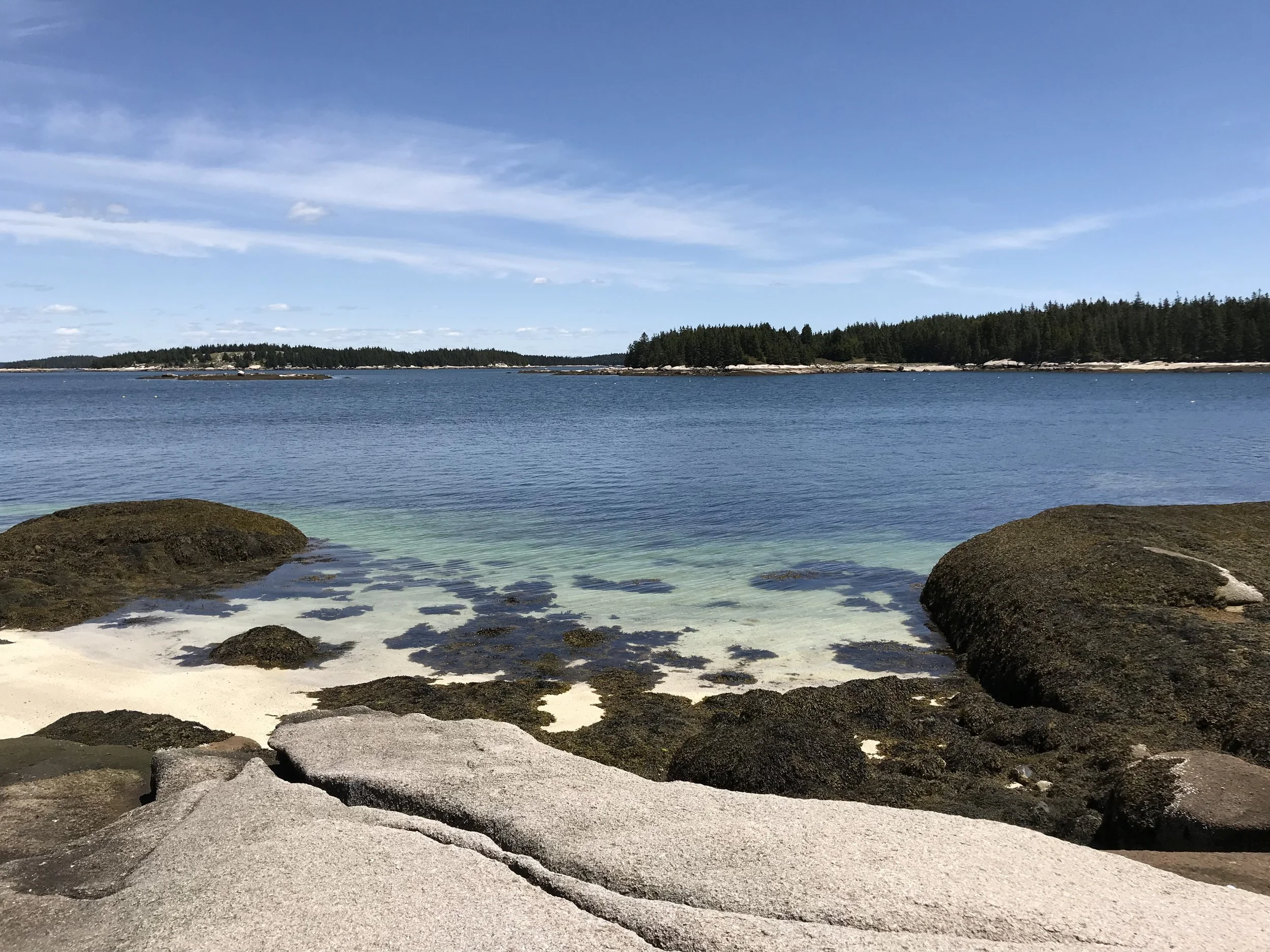
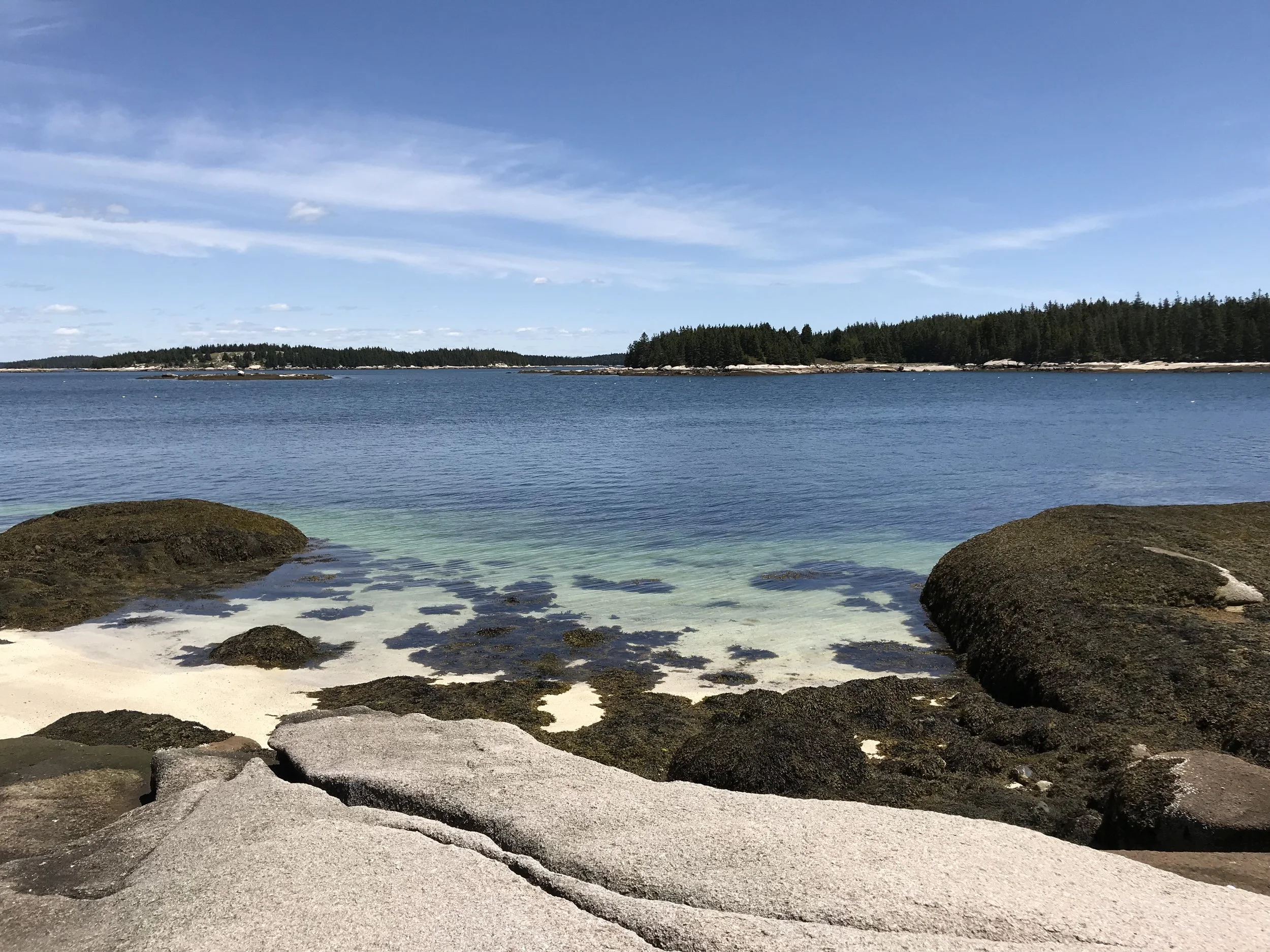
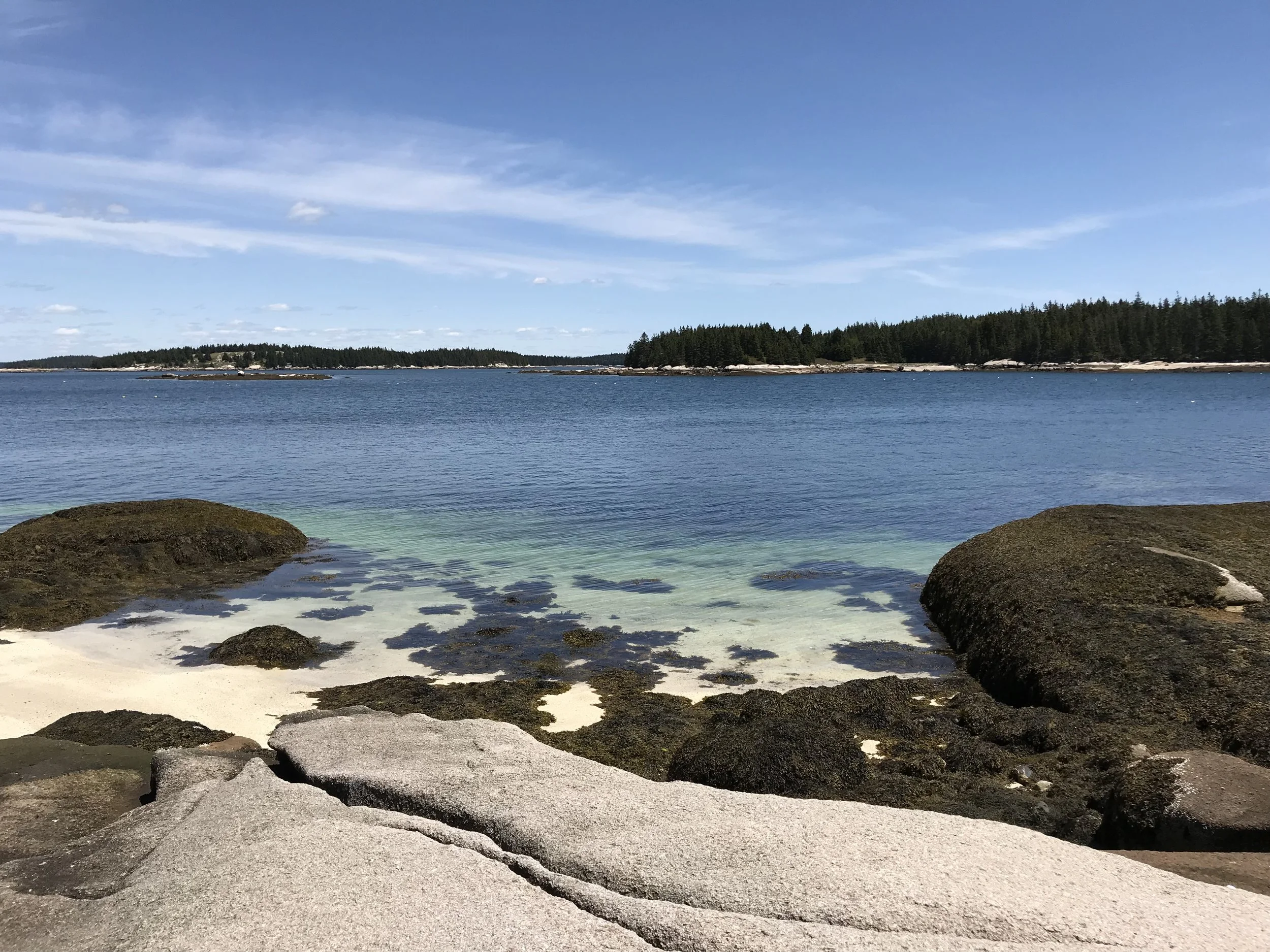
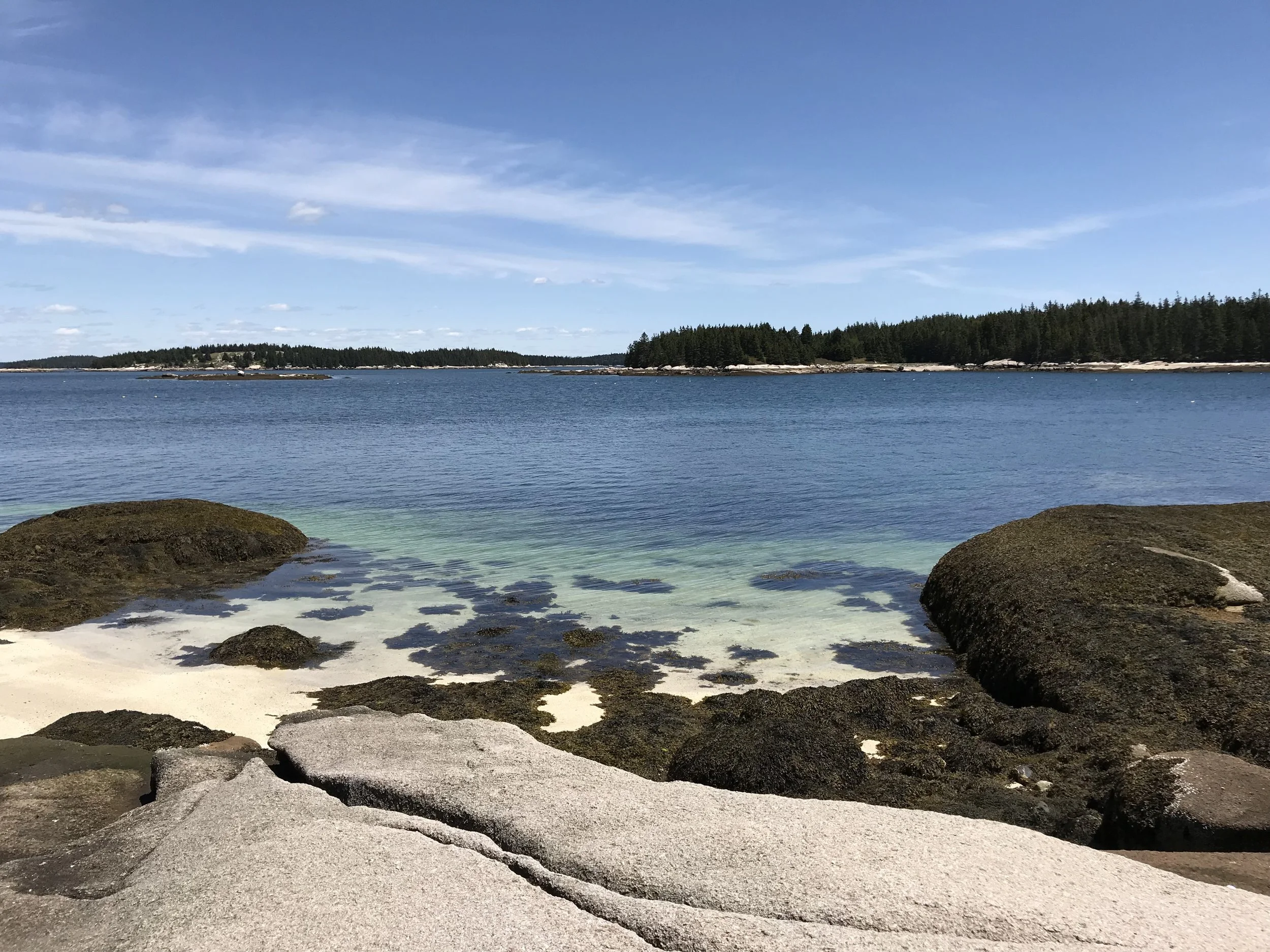
Steve’s Island is a good example, and is incredible. Located just to the East of the Georges, Steve’s is a small island, but is a perfect place to set up camp. I like it because the sites are small (there are three) and all tentsites have great views of the ocean and are right on the shore. There are easy approaches and beautiful sand beaches, the kind of shell / white sand beaches that make the water look Carribean turquoise. I really loved Steve’s (not just because of the name) but was set on returning to Harbor so returned to the Emilie, and headed that way.