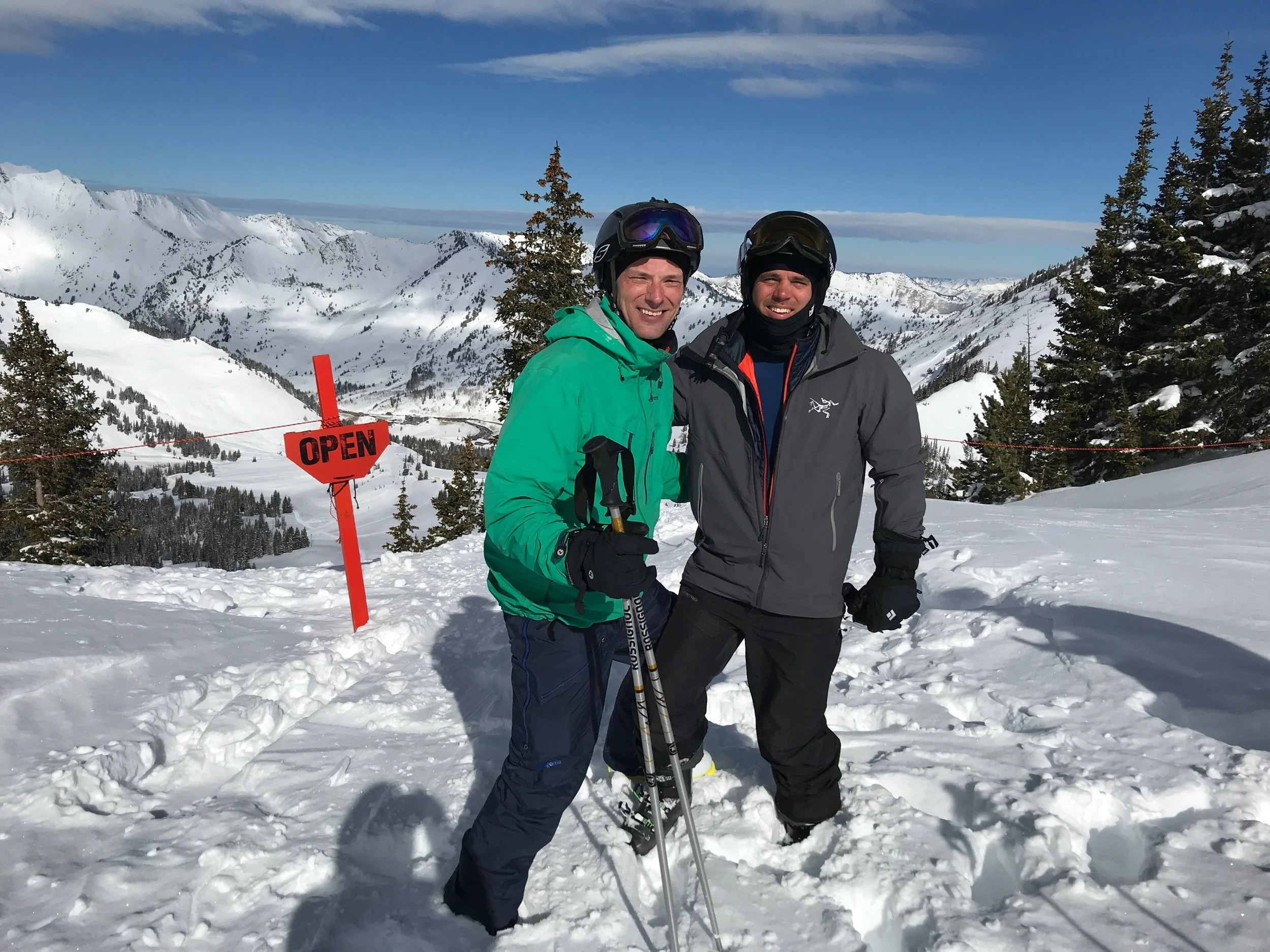
⛷️ Snowbird – Steep, Exposed & Absolutely Legit
4
Skiing Snowbird: Utah’s Lift-Served Reality Check
Opening Snapshot
Snowbird is not subtle.
It’s steep from the top. Steep from the middle. Steep when you thought you found a break.
It sits across the canyon from Alta, but the energy is different. Alta feels tight and skier-pure. Snowbird feels bigger, more exposed, more dramatic.
If Alta is about tradition, Snowbird is about consequence.
Getting There & Parking Strategy
Snowbird shares Little Cottonwood Canyon with Alta. That means:
Early starts on powder days
Traction laws enforced
Road closures are real
Patience required
Parking reservations are common on peak days. Plan in advance.
If you’re staying in Salt Lake, the ski bus is often smarter than gambling on canyon gridlock.
Position matters here too. If the Tram is your goal, arrive early. If you’re prioritizing Mineral Basin, consider where you start.
Snowbird mornings are tactical.
How to Ski It (The Insider Plan)
Snowbird revolves around vertical.
And the Aerial Tram.
But the Tram is not always the smartest first move.
Phase 1 – Warm the Legs
Start on Gad 2 or Peruvian before committing to Tram-level terrain. Snowbird does not offer gentle warm-ups from the summit.
Phase 2 – Tram or Cirque
If visibility is strong, take the Tram and commit. Upper Cirque terrain and steep bowls define the mountain.
If Tram lines are long, lap Peruvian and Mineral Basin strategically.
Phase 3 – Mineral Basin Timing
Mineral Basin skis differently than the front side. On bluebird days it’s spectacular. In flat light it can be disorienting.
What most first-timers do wrong:
They underestimate how sustained the pitch is and burn out early.
Snowbird doesn’t give you easy recovery laps unless you seek them out.
Terrain Personality
Snowbird is:
Steep
Cliff-banded
High alpine
Vertical-heavy
Lift-served big mountain terrain
Compared to Alta:
More exposed
More cliff features
Larger vertical feel
Slightly less intimate
Compared to Jackson:
Less town energy
Similar sustained intensity
More compact footprint
It shines for:
Advanced and expert skiers
Steeps skiers
People comfortable with exposure
Intermediates can ski here, but they will feel the mountain.
Midday Strategy
Mid-mountain lodges are smarter than dropping fully to the base.
Snowbird’s base area can get crowded and feels more resort-developed than Alta.
On powder days, ski through lunch.
Vertical stacks quickly here — conserve energy.
Eating
Snowbird has more infrastructure than Alta.
On-mountain options are solid and modern, though not destination dining.
If you’re staying canyon-side, eat there.
If commuting from Salt Lake, the valley wins for dinner.
This is a terrain-first mountain.
Après & Evening Rhythm
4
Snowbird après is stronger than Alta’s but still skier-focused.
The Tram Club – Classic, loud, slope-side.
The Cliff Lodge – Central hub for après and lodging.
It’s energetic but not flashy.
If you want nightlife, head to Salt Lake.
On the ski bro scale, Snowbird ranks high — but it earns it.
The terrain backs it up.
Where to Stay
Slopeside Convenience
Snowbird offers true ski-in/ski-out lodging at scale.
Smart Budget Option
Stay in Cottonwood Heights and use the bus.
💀 Dirtbag Culture Option
Shared houses in the valley are the move. Snowbird is more resort-developed than Alta, but canyon ski culture still exists.
Condition Playbook
Powder Day: Tram early if visibility allows. Mineral Basin once sun hits.
Wind Day: Upper lifts may close. Stay lower and adjust expectations.
Low Visibility Day: Avoid committing to exposed alpine faces blindly.
Spring Day: South-facing terrain softens beautifully; upper north faces hold longer.
Final Verdict
Snowbird is Utah’s lift-served intensity.
It’s steeper and more dramatic than most U.S. resorts.
It’s less quaint than Alta. Less town-driven than Jackson. Less polished than Deer Valley.
It is terrain.
If you want exposure, sustained pitch, and real consequence — Snowbird delivers.